

Italian Leather Bag Guides
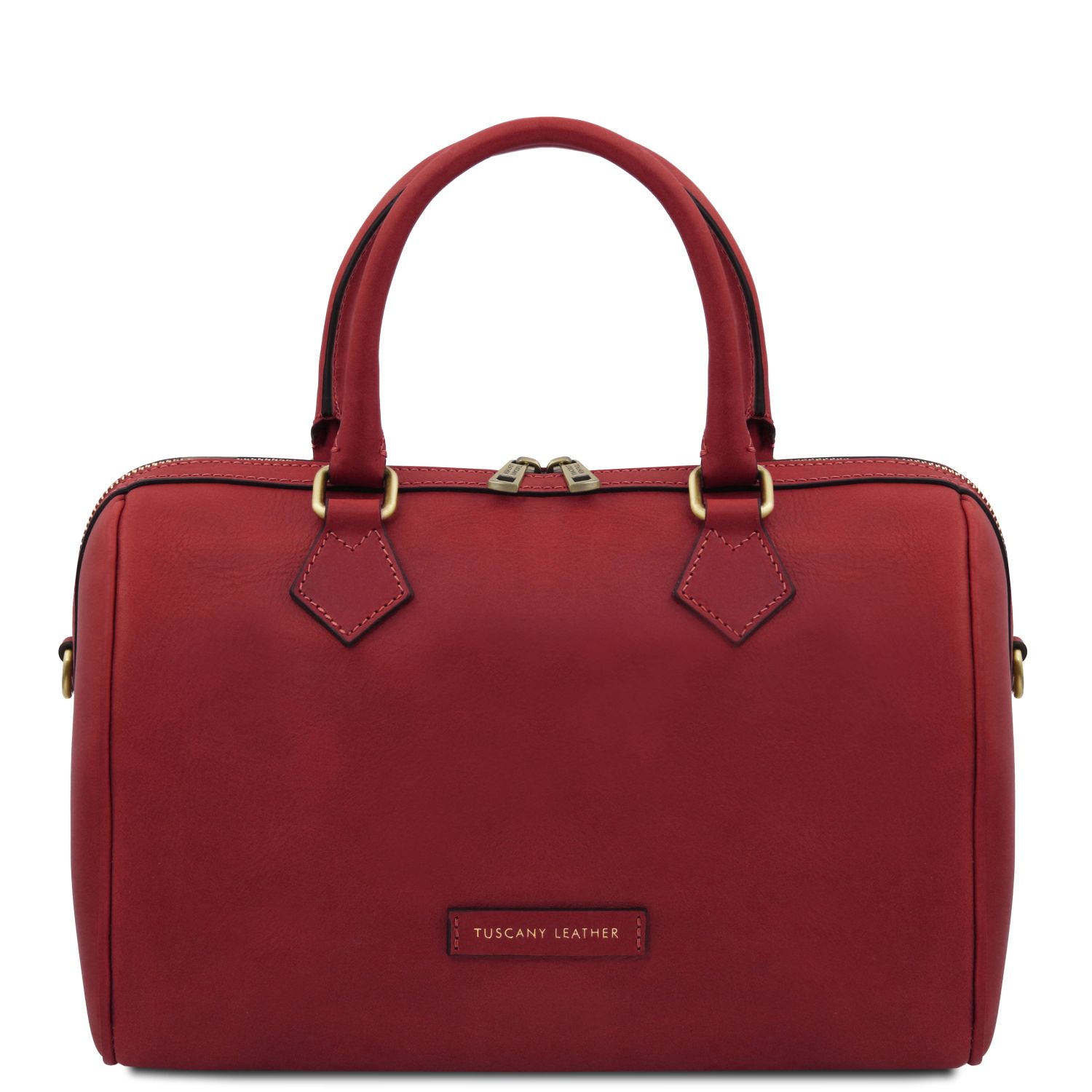
The leather industry is one of the world’s oldest manufacturing sectors. For centuries, leather has been transformed into footwear, clothing, bags, belts, wallets, saddles and countless practical accessories. Although production methods have changed considerably over time, the appeal of genuine leather has remained remarkably strong. Today, the industry combines modern tanning technology, international manufacturing and traditional craftsmanship. Consumers continue to invest in leather products because they value durability, functionality and timeless style. At the same time, renewed interest in handmade goods has created fresh opportunities for leather artisans, independent workshops and specialist manufacturers. What Is the Leather Industry? The leather industry includes the collection, preservation, tanning, finishing and transformation of animal hides into usable material. Raw hides are naturally perishable. Tanning stabilizes the fibres and prevents the material from decomposing. Once treated, the leather can be softened, coloured, conditioned and finished according to its intended use. Different tanning methods produce different results. Vegetable-tanned leather is valued for its natural character, firm structure and ability to develop a rich patina. Chrome-tanned leather is generally softer, more flexible and faster to produce. Other modern processes are designed to reduce water consumption, improve efficiency and meet stricter environmental standards. After tanning, the finished leather is supplied to manufacturers and workshops that transform it into products such as: Leather handbags and backpacks Briefcases and business bags Shoes and boots Wallets and card holders Belts and watch straps Jackets and other garments Travel accessories Home and office accessories The industry therefore covers much more than the production of raw leather. It includes designers, tanneries, cutters, stitchers, manufacturers, retailers, repair specialists and skilled artisans. The Importance of Leather Craftsmanship Industrial manufacturing makes it possible to produce leather goods in large quantities, but traditional craftsmanship remains one of the most valuable parts of the industry. A skilled leather artisan understands how the material behaves. Leather is not perfectly uniform, and every hide has its own texture, grain and natural markings. The craftsman must know how to select the right section of leather, cut it accurately and construct the product without weakening its structure. Traditional leatherworking may involve: Selecting and inspecting the hide Creating patterns Cutting each component Thinning and shaping the edges Punching stitching holes Sewing by hand or machine Attaching buckles, handles and closures Burnishing and colouring the edges Conditioning and finishing the leather These steps require patience and experience. A poorly placed cut can waste valuable material, while weak stitching or low-quality hardware can reduce the lifespan of an otherwise attractive product. This is why a well-made leather bag is more than a fashion accessory. It represents a combination of design, material knowledge and precise workmanship. Why the Leather Industry Continues to Grow One of the main reasons for the continuing strength of the leather industry is the material’s versatility. Leather can be elegant or rugged, structured or soft, traditional or modern. It can be used to create a formal business briefcase, a lightweight crossbody bag, a durable travel backpack or a small handmade key holder. Consumers are also becoming more selective about the products they purchase. Many people are moving away from disposable fashion and looking for items that can remain useful for years. A high-quality leather product can often be repaired, conditioned and restored. Handles can be replaced, stitching can be renewed and worn surfaces can be treated. This gives genuine leather an important advantage over many inexpensive synthetic alternatives that are difficult or impossible to repair. The growth of online retail has also helped smaller leather workshops reach customers outside their local markets. An artisan no longer needs to rely only on nearby shops or seasonal markets. Through digital platforms, independent makers can present their products, explain their methods and sell directly to customers around the world. From Raw Material to Fashion Accessory The transformation of leather into a finished accessory begins long before the first stitch is made. Designers must decide how the product will be used, how much weight it will carry and what type of leather will provide the right balance between flexibility and strength. For example, a business briefcase requires structure, secure handles and reinforced stress points. A soft handbag may require lighter leather and a more flexible construction. A travel bag must combine capacity, durable stitching and reliable hardware. Once the design has been prepared, the leather is inspected and cut. Experienced makers position the pattern carefully to avoid weak areas while preserving attractive sections of the natural grain. The pieces are then assembled, stitched and finished. Linings, pockets, zippers, clasps and metal fittings may be added during this stage. Finally, the edges are polished or painted, and the leather is conditioned to improve its appearance and feel. The result may look effortless, but behind every quality leather accessory are numerous decisions made by designers and craftsmen. Leather as an Accessible Form of Luxury Luxury does not have to depend entirely on a famous brand name. Many independent leather manufacturers offer high-quality products at more reasonable prices because they operate with smaller marketing budgets and shorter distribution chains. This has created an important market for consumers who want elegance and durability without paying mainly for a designer logo. A carefully made leather wallet, belt or handbag can provide the same sense of refinement as a luxury-branded product when it is made from quality leather and finished with proper craftsmanship. Customers are therefore becoming more interested in the origin of the material, the construction of the product and the reputation of the maker. They want to understand what they are buying rather than relying only on a label. The Leather Industry Worldwide Leather and leather goods are traded internationally on a large scale. Production often involves several countries, with hides processed in one region, finished in another and transformed into accessories elsewhere. Europe remains closely associated with premium leather manufacturing. Italy, in particular, is internationally respected for its tanneries, fashion houses and family-run workshops. Italian leather goods are admired for their material selection, refined finishing and combination of traditional techniques with contemporary design. France, Spain, Germany and other European countries also have established leather industries, producing everything from luxury handbags and shoes to automotive upholstery and specialist technical leather. Brazil is one of the most important participants in the South American leather market. Its large livestock sector provides a significant supply of hides, while many Brazilian tanneries and manufacturers export leather to international markets. Asian countries also play a major role in global leather manufacturing. China, India, Vietnam and Pakistan are involved in the production of footwear, bags, garments and finished leather goods for customers around the world. The Future of Sustainable Leather Production The future of the industry will depend not only on design and quality but also on responsible production. Modern tanneries are increasingly investing in technologies that reduce water consumption, improve wastewater treatment and limit the use of harmful substances. Traceability is also becoming more important, allowing manufacturers and customers to understand where the hides came from and how they were processed. Leather is generally produced from hides generated by the meat and livestock industries. Using these hides prevents a potentially useful material from immediately becoming waste. However, this does not remove the need for responsible sourcing, cleaner tanning methods and transparent manufacturing. The industry must continue improving its environmental performance while preserving the qualities that make leather valuable: strength, repairability, longevity and natural beauty. Leather as a Business Opportunity Leather offers a wide range of opportunities for entrepreneurs and skilled craftspeople. A new business does not necessarily have to begin with complex handbags or footwear. Many successful artisans start with smaller products such as key rings, card holders, watch straps, belts or simple wallets. These products allow makers to develop essential skills while working with smaller amounts of material. As their experience grows, they can move into larger and more complicated designs. The possibilities include: Handmade leather accessories Personalized and engraved products Leather repair and restoration Custom-made bags Corporate gifts Travel and business accessories Online retail Leatherworking courses and workshops Success depends on more than purchasing a piece of leather and turning it into a product. The maker must understand material quality, construction, pricing, customer service and brand identity. Why Leather Artisans Still Matter Machines can cut faster, produce identical pieces and increase manufacturing capacity. Yet craftsmanship provides something that mass production cannot always reproduce: character. Small variations in grain, hand-finished edges and carefully placed stitches remind us that leather is a natural material. These details give a product individuality and create a connection between the maker and the person who eventually uses it. Artisans also preserve traditional skills that could otherwise disappear. Their work keeps leatherworking knowledge alive while adapting it to modern design and contemporary consumer needs. Conclusion The growth of the leather industry is closely connected to the people who understand how to work with this remarkable material. From large tanneries and international manufacturers to family workshops and independent artisans, every part of the production chain contributes to the final product. As customers become more interested in durability, repairability and authentic craftsmanship, quality leather goods are likely to remain relevant. Trends may change, but the appeal of a carefully constructed leather item endures. Leather is not simply a raw material. In skilled hands, it becomes a useful object, a personal accessory and, sometimes, a piece that can accompany its owner for decades.
A quality leather bag is made to handle daily life, but it is not designed to be washed like ordinary fabric. Water, detergent, heat and aggressive cleaning can remove the leather’s natural oils, change its colour and leave it dry, stiff or permanently misshapen. So, can you wash a leather bag? In most cases, the answer is no. You should not put a genuine leather bag in a washing machine, soak it in water or clean it with regular laundry products. However, you can safely clean most leather bags by hand using a gentle, controlled method. The key is to use as little moisture as possible and to choose products that are suitable for the specific type of leather. Why You Should Not Wash a Leather Bag in a Washing Machine Leather is a natural material with a structure that reacts to moisture, movement and heat. A washing machine exposes the bag to all three at once. Machine washing may cause:
A Complete Guide to the Different Types of Leather Leather has been used for centuries to create clothing, shoes, bags, belts, furniture, accessories and many other everyday products. It is one of the oldest and most respected natural materials in human history. Strong, flexible, elegant and long-lasting, leather has always carried a sense of quality that synthetic materials try to imitate but rarely manage to match. However, not all leather is the same. When buying a leather bag, wallet, briefcase or backpack, you may come across terms such as Full Grain Leather, Top Grain Leather, Genuine Leather, Split Leather or Bonded Leather. These terms are not just marketing words. They describe different layers, qualities and processing methods of leather. Understanding the difference between them can help you make a smarter purchase and avoid paying a premium price for a low-quality product. Why Leather Quality Matters The quality of leather affects almost everything: the look, the feel, the durability, the price and the way the product ages over time. A high-quality leather bag can last for many years and become even more beautiful with use. It may develop a natural patina, soften with time and gain character. A low-quality leather product, on the other hand, may crack, peel, lose shape or look worn out much faster. That is why knowing the type of leather is so important before buying. Full Grain Leather
Complete Guide to Cleaning and Caring for a Genuine Leather Bag Leather products have been part of human life for hundreds, and even thousands, of years. Leatherworking is one of the oldest crafts in human culture, long before fashion became an industry. Leather was used to make clothing, shoes, gloves, armor, buckets, bottles, riding accessories and even weapons. From ancient times until today, leather has remained one of the most valued natural materials thanks to its strength, flexibility, durability and timeless beauty. Over the years, especially after the Industrial Revolution, the leather industry changed dramatically. New technologies made the tanning and finishing process more efficient, more precise and more hygienic. Today, when leather is processed professionally and responsibly, it can reach exceptional levels of quality, durability and finish.